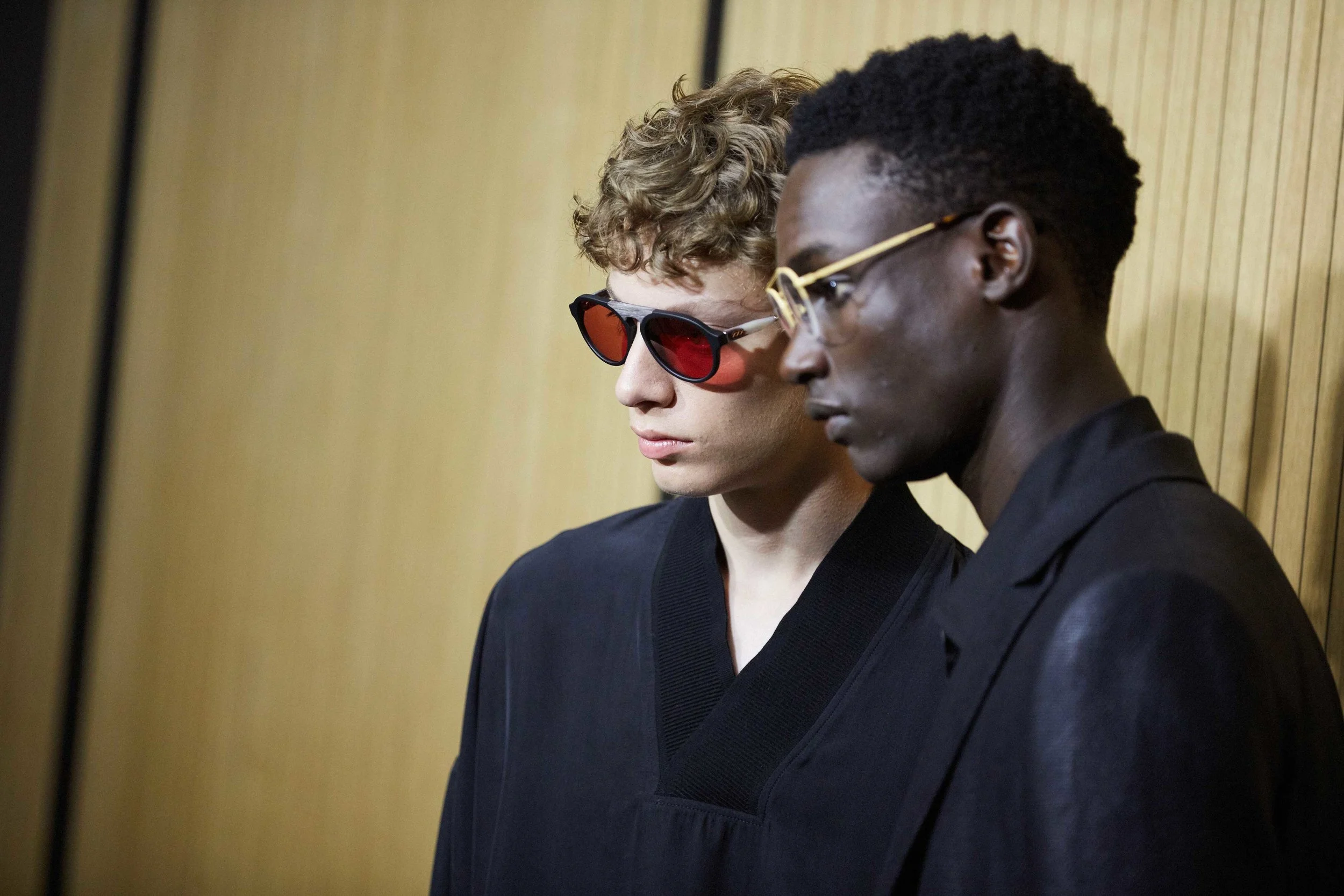
FULL CIRCLE
As Alessandro Sartori returns home to Ermenegildo Zegna to assume his destined role of artistic director, he embarks on a journey to redefine luxury menswear for a multitude of generations.
By HASSAN AL-SALEH
Photography DANIEL BERES
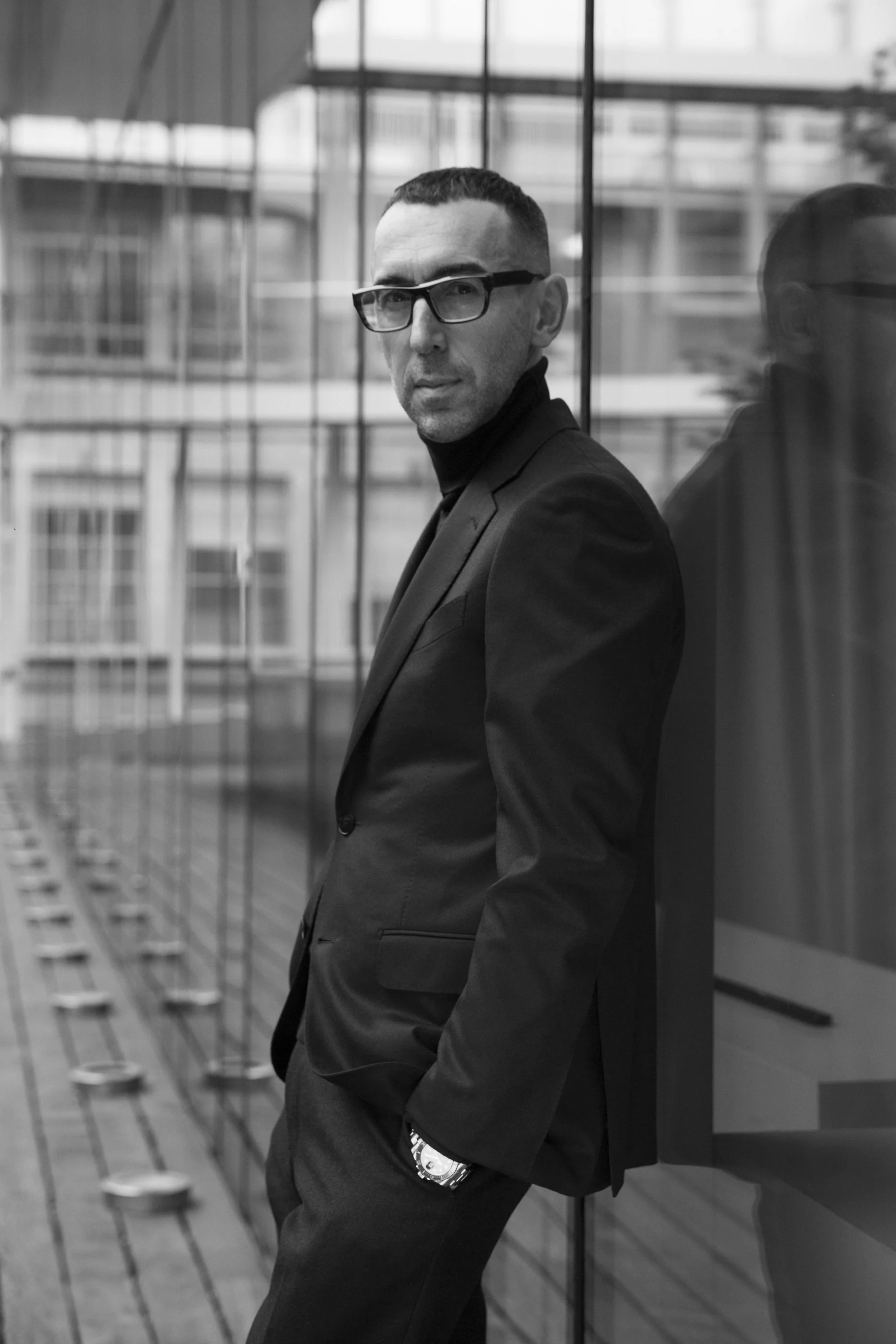
Call it fate or destiny, but everything that designer Alessandro Sartori has worked for has culminated in his role as artistic director of Ermenegildo Zegna.
The son of a tailor, Sartori was born in Trivero, the birthplace of Zegna, and studied fashion design at Istituto Marangoni Milano. His life story is intertwined with Zegna; first joining the brand after graduation and then coming back for eight years as the artistic director of Z Zegna. His five years at the creative helm of Berluti transformed the Parisian label from a heritage shoemaker, renowned for its unique leather finishing, to an all-encompassing menswear and lifestyle brand of inconspicuous luxury.
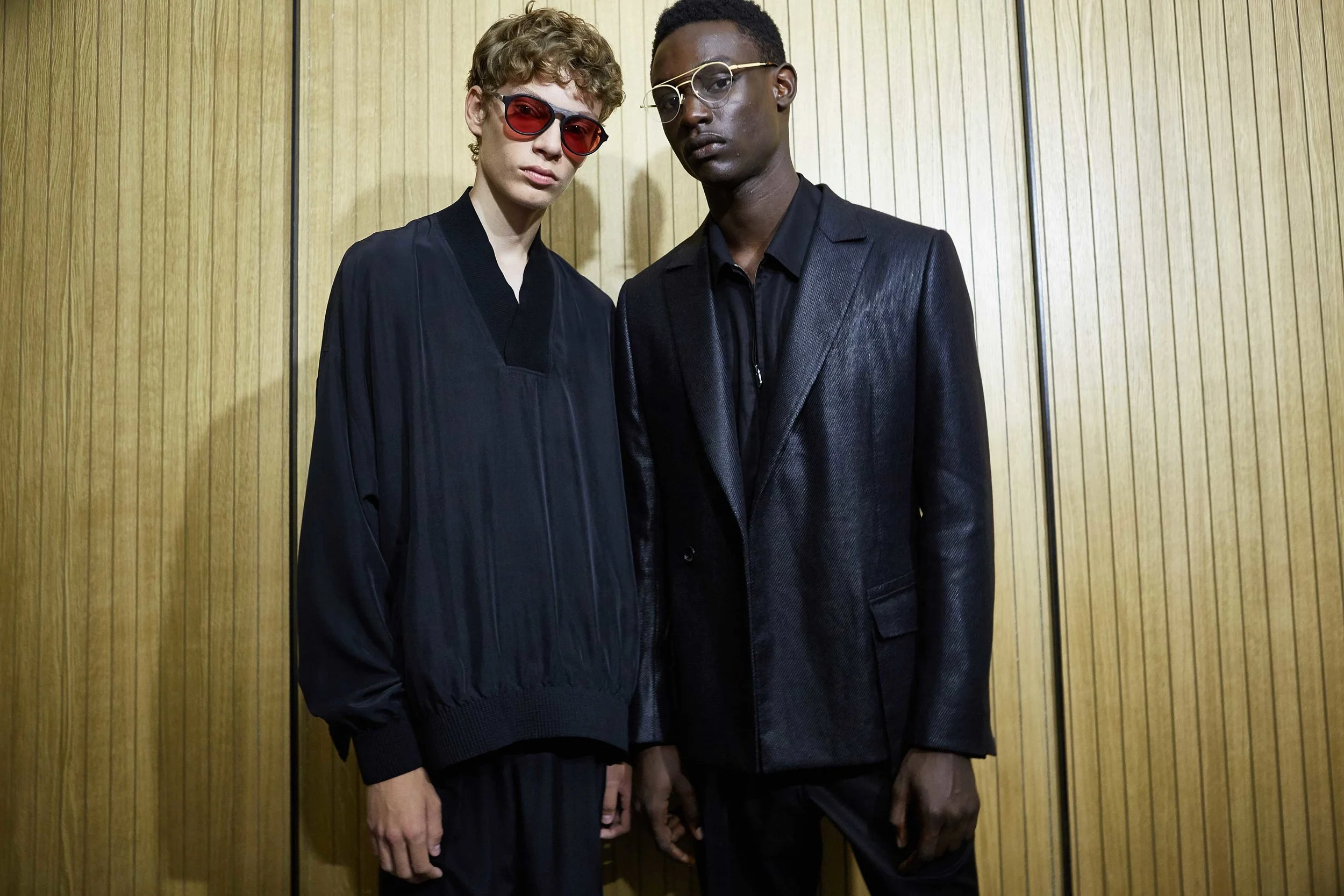
In his new role at the world’s largest luxury menswear brand, Sartori is focusing on creating the perfect fit of modern and classic and writing a new chapter of contemporary timelessness in the brand’s rich history.
In many ways, your return to Zegna is a homecoming. How does it feel to be back?
Coming back after such a long time, five and a half years in Paris, was particularly special and touching. Also, because I’m very attached to the family.
Special, interesting, and challenging, but beautiful. Interesting because it is not only the largest and most complete menswear house in the luxury market, but it is constantly changing. Challenging because times are changing. Today, we need to update ourselves, we need to be open. We need to have a very clear point of view.
Beautiful because it is a house full of new solutions - from new fresh talent to the workshops.
How have things changed and developed under your direction?
I think teams are more connected and the energy and speed is very high. We work as one big team, even if each one has his or her own responsibilities, we try to be connected as much as possible. Not only because I’m a strong believer that if we work with confidence and listen to each other, we can do much more than what we can produce individually but, mostly, because I think if you cultivate, like a forest, new interests, you let young people express themselves. You show that there is possibility to grow and to develop responsibility, if you prove that you can do it. It doesn’t matter what age you are.
Today, Zegna is a place where young trees are growing, with ideas that are growing.
You are cultivating a new generation of creatives who then become entrenched in the Zegna family.
Yes, creativity is part of each step of the process, and we are much more open with a unified vision.
What do you find most intriguing about designing for men today?
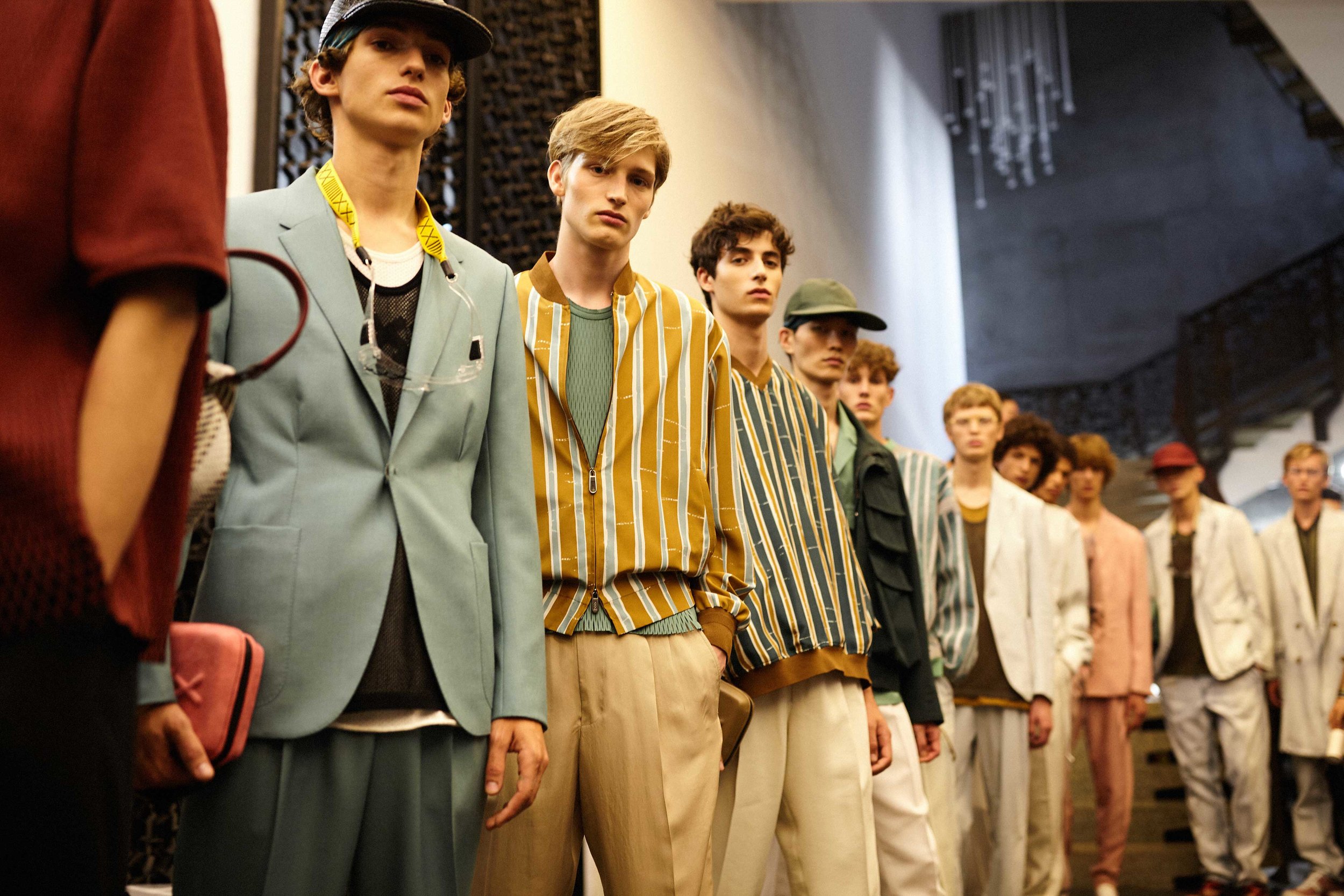
I like to build an aesthetic without tricks but with new solutions. There is a very strong part of the work that is related to this new world of modern classic that starts from where the modern classic was a few seasons ago until overdesign took over. Where I stop, is where the overdesign starts. Overdesigning or over-styling is not interesting to me.
I think that’s very evident in your collections. Details such as belts can add such an interesting component to the whole look and the technical solutions, which you offer, speak to a multitude of audiences.
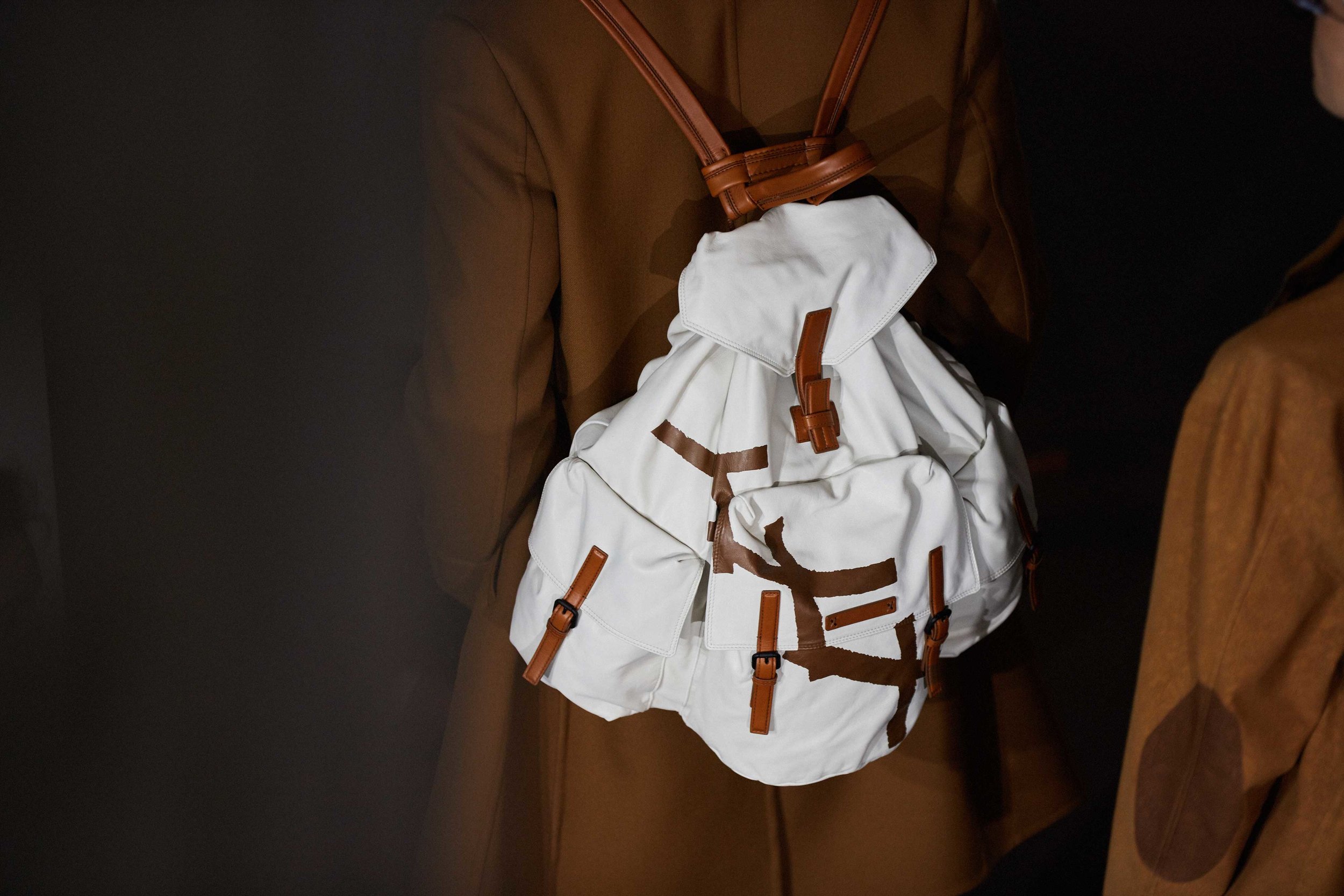
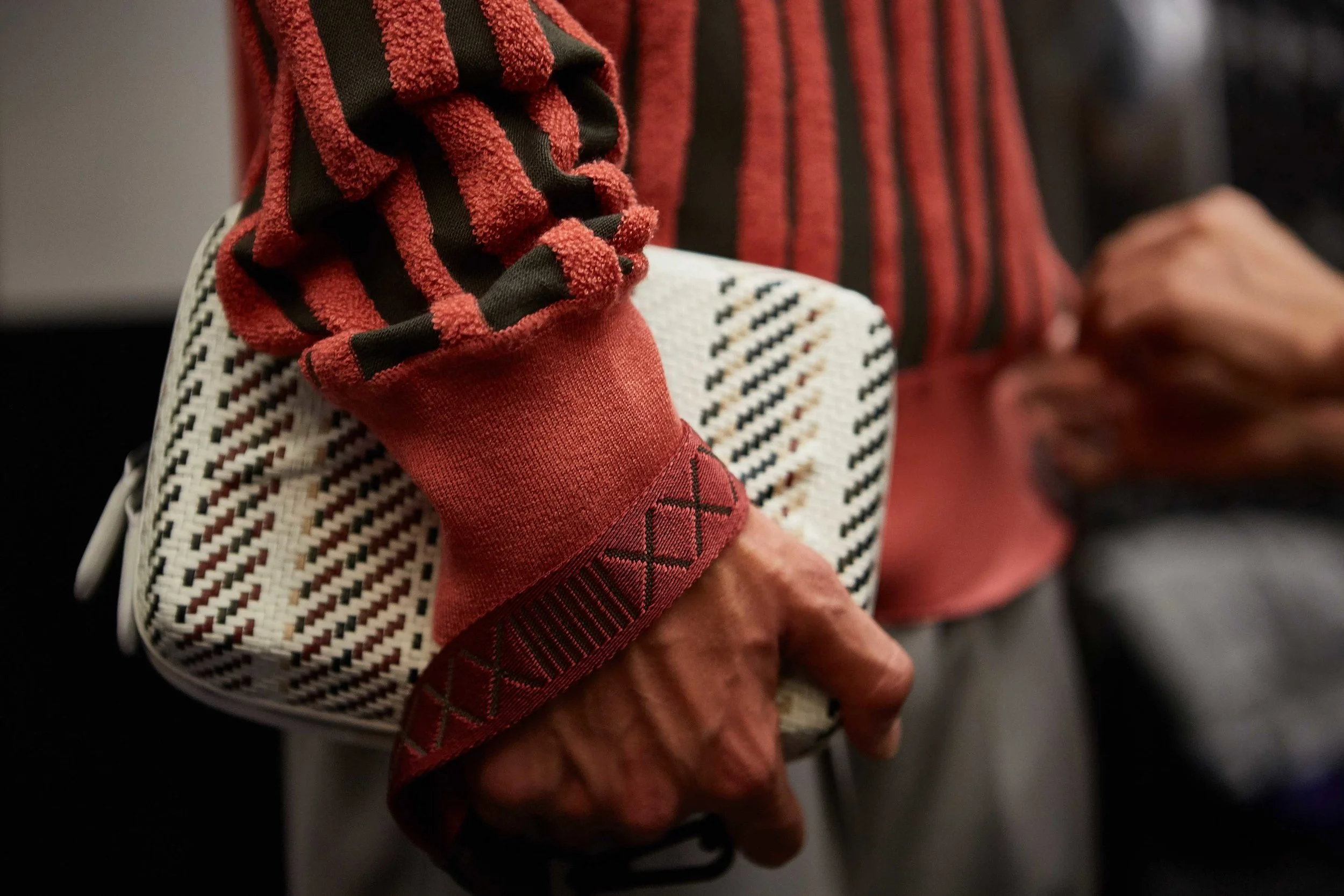
Absolutely, and the details are particularly interesting if they are simple to use and not over styled. If I put three jackets one over the other, for sure, that’s interesting, but how many people will do that? How real is that? Or, if I use a very long woven belt, that ties around the waist three times with a little buckle on the side, how many people are going to do that in real life?
I like garments that have a beautiful fit and offer styling solutions that are real.
How have customers responded to these changes?
Faster than what we thought. Of course, it changes from market to market because we have different clientele, but faster than what we thought.
The sportswear side of Ermenegildo Zegna - the Z Zegna line - and the couture line, is growing very fast.
How has the Zegna customer evolved along this journey with you?
Today, the aesthetic is different and diverse. How many images do we see per week? Thousands and thousands. This has changed the perception of everyone, including the Zegna customer. There is increased awareness and education and it’s evolving very fast.
The way you communicate with customers has most definitely evolved to changing consumer consumption of information. Talk to us about your on-going collaboration with Benjamin Millepied.
The collaboration with him is very honest, open, and frank. It’s not about giving him money, or giving him clothes. It’s about the possibility to do something great. It’s about a feeling. We met over a friendly dinner in Paris and since then we connected, and we liked each other.
He is a deep, personable and interesting person that you can listen and talk to for a long time. The collaboration was organic, and it was a great thing to do. We were in Marfa for five days. It was beautiful.
I think what was most appealing was that it felt very authentic. It didn’t feel like a forced collaboration, it wasn’t about the fashion, it wasn’t just about the dance. Everything married so effortlessly together. It felt very true to who you are as a designer but also very true to Benjamin and very true to the brand.
Thank you for that.
Even during your time at Berluti, you introduced a lot of artistic collaborations. How do they all fit within your bigger narrative for Zegna?
I feel that you need a reason to go back to the store. That’s why I’m a big fan, or a big believer of, when you do the buying for a big store, being very creative is important. But when you do the buying for a small store, even more creativity is needed.
The collections and the shows are the most important part of the creation of the aesthetic of the brand but, also the excitement, the freshness, the freedom of doing new projects is important. They need to be in the same aesthetic, but arriving as a parallel agenda to refresh the offer. And so, we started, and we have a lot of ideas, a lot of things to come.
As an example, I want to talk about the one with Master & Dynamic, which we did with Zegna Toyz. Part of it was just games, or leather products but a very technological part was working together on leather devices; headphones, vinyl players and so on, it’s fantastic.
Zegna is synonymous with high quality fabrics. What is your emotional connection to fabrics as a designer?
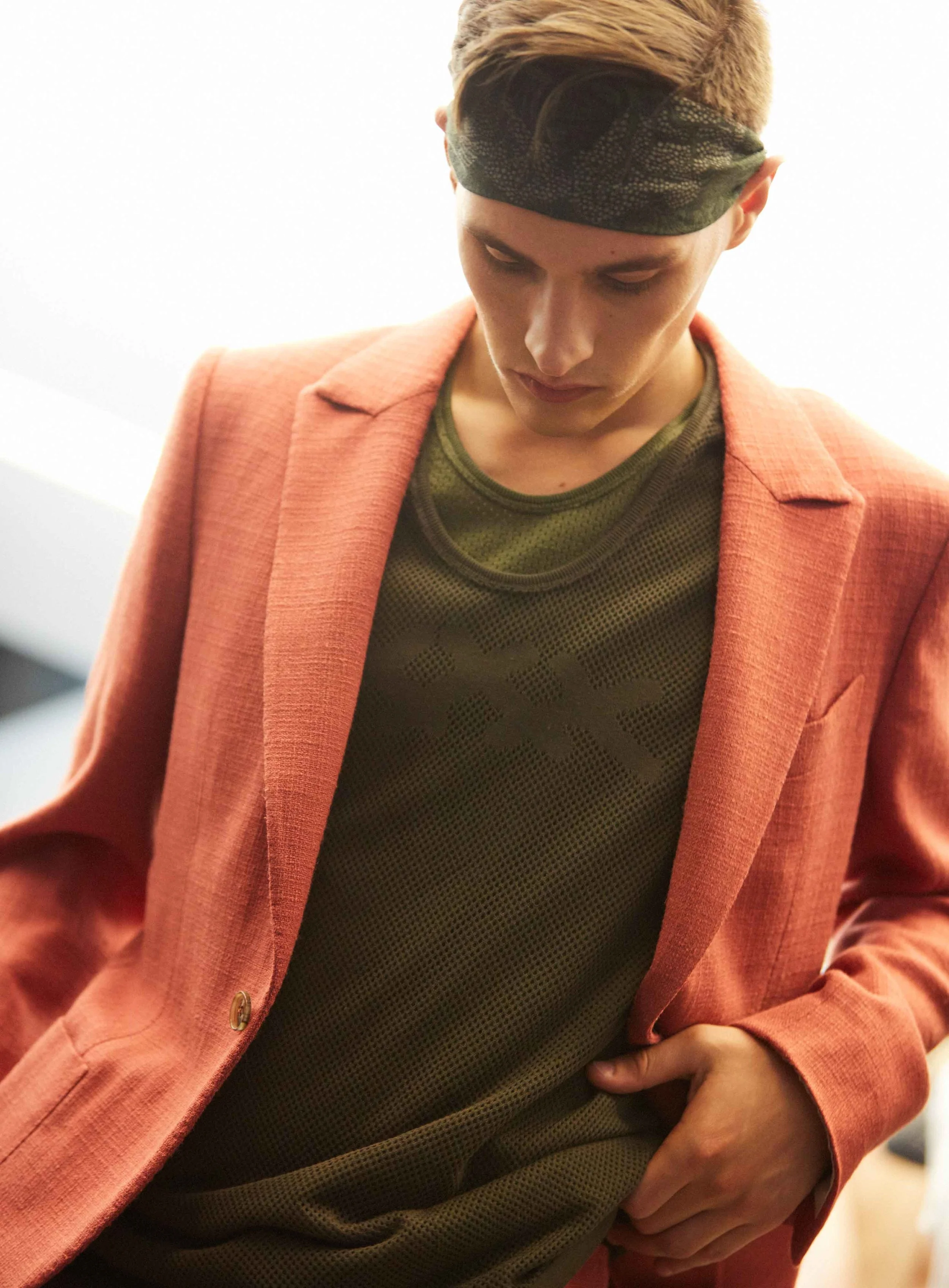
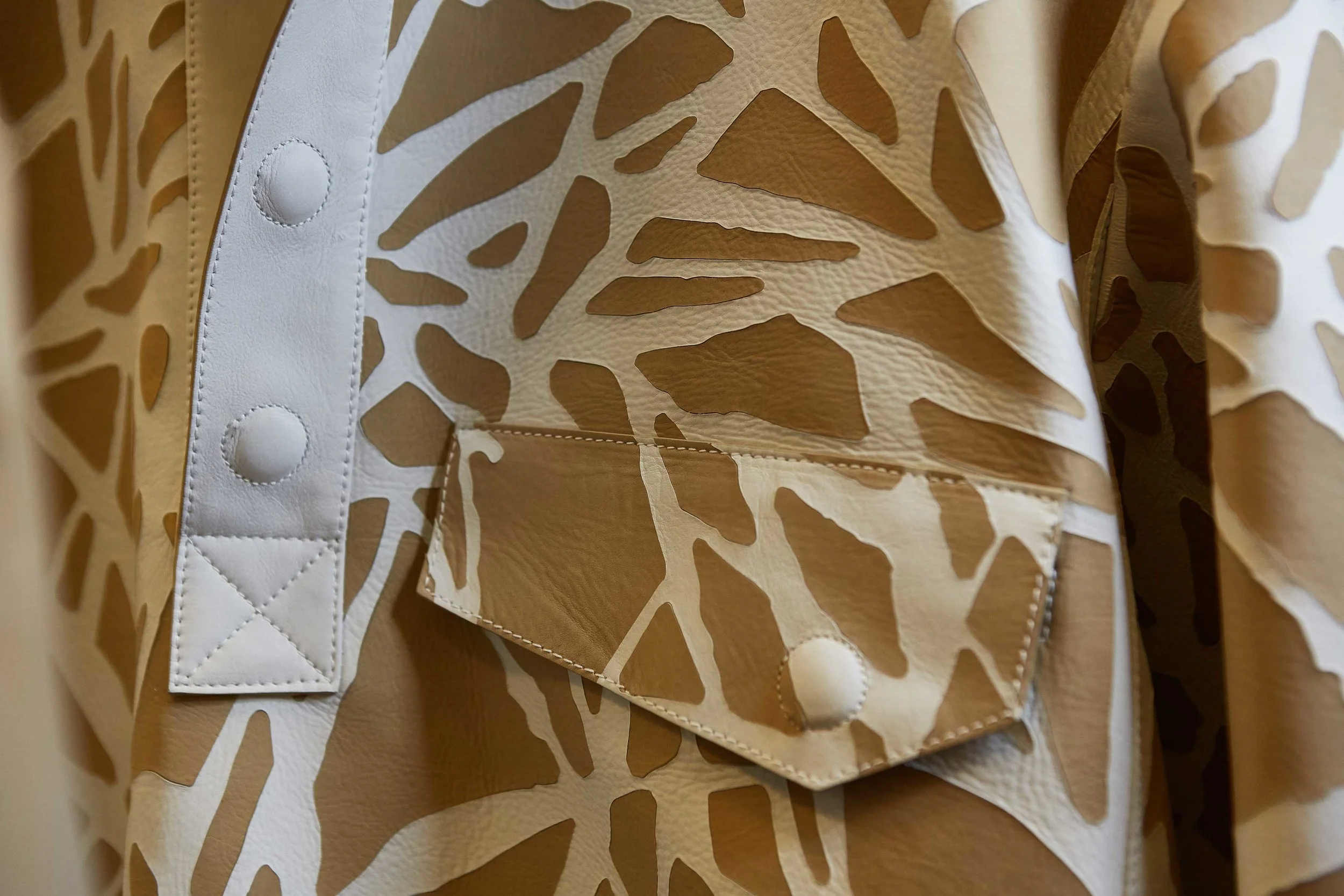
It is a very tactile feeling. The first thing you are attracted to, immediately, is the color. Second, most probably, is the design and then you see what type of fabric it is.
I really like the fact that we are in a very good “kitchen” so we can build things from scratch. Like the Achill Farm, as a project, is fantastic and starts from how we feed the animals for example, for the cashmere. We start from natural elements from coffee beans to actual flowers and that is really interesting because it’s like creating a very good meal, putting together all the components.
A the end, when I touch a fabric, it's a very sensual feeling and questioning the difference between two is fantastic. But the reaction that each one, even a very similar one, according to the design, could be very different, that’s why you have to work a lot on the technical part.
There is a lot of talk about sustainability in fashion. How do you see things developing and moving forward?
This isn’t just marketing, I see this as a fantastic story. The real story, and one of the most creative things to me, is the 360 Economy, where you take a thing, transform it and then go back and reintegrate it in the process.
As an example, Bonotto, one of the mills that the company owns, has a beautiful project on recycled polyester that starts from recycling plastic bottles.
I feel that these sustainable types of ideas for design and materials are important and I am a strong believer of them.
How do you honor the legacy of Zegna while speaking to such a modern, contemporary audience?
Keeping the craft, the roots, the DNA, the artisans, which is the core of the brand. That has to be at the center of our world. So, if I do a modern aesthetic with a beautiful quality fabric using the craft and the style, which belongs to the house, even if it is very modern and fresh, I think I’ve done my job. If I move everything into a territory that doesn’t belong to the craft of the house and I use a bad quality fabric, I didn’t get the job done. That’s my theory.
You said when you re-joined Zegna that you were obsessed with the vision that the family had for the brand. Can you explain?
When looking at the archives, they look and feel super modern, which is unbelievable. So, I like the idea of how transformation always kept craft in modernity, always kept a very strong legacy tied to the brand’s roots but a very brilliant vision of the future. So, that is what is interesting to me and what was interesting in the past and what should be interesting in the future.
What do you hope to achieve at Zegna?
An updated recognizable style for multiple generations. It’s more about the lifestyle, rather than the age.
Men’s fashion is in a state of flux. What do you think is your responsibility as a designer to establish order when so many things are changing?
Three or four years ago, we saw certain brands create very chaotic styling and aesthetics and that worked particularly well.
In my opinion, today is another moment and in fact, also brands are reacting and doing different things. Today, there is a lot of chaos in politics and what is happening in every social aspect. I think the work that includes music, art, design, and fashion should be very inspirational for our time. It should be much more organized, less chaotic. So, I try to be as clean, sharp, and modern as possible. Also, because I want to communicate a certain aesthetic that fits with that.
That makes perfect sense. It’s about balance. If there is chaos on the outside, there needs to be stability inside to create that equilibrium.
That’s right.
What is your hope for the future of men’s fashion?
Have you seen the movie by Luca Guadagnino entitled “Call Me By Your Name”?
Yes, it’s incredibly beautiful and moving.
How inspiring is that film? That’s my hope for fashion.